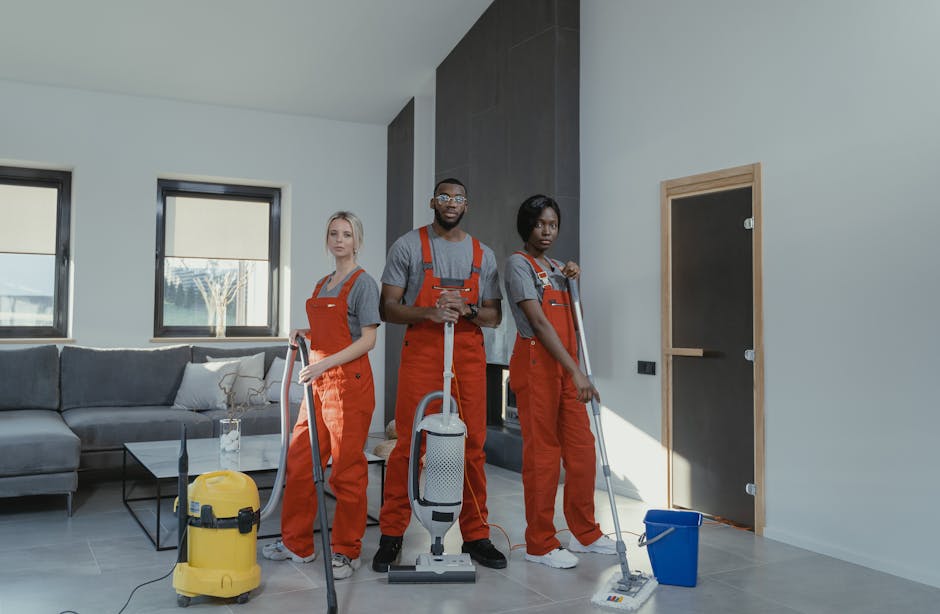
End of tenancy cleaning cost guide for SE11 flats

If you are moving out of a flat in SE11, the cleaning bill can feel oddly mysterious. One quote seems tidy and manageable, another jumps up once bedrooms, appliances, or carpet work are added. This end of tenancy cleaning cost guide for SE11 flats breaks the price down in plain English, so you can understand what you are paying for, what pushes the cost up, and where you can keep things sensible without cutting corners.
SE11 covers a busy part of south London, and that matters more than people think. Flats here are often compact, shared, or older conversions with their own little quirks: awkward windows, tired ovens, limescale in bathrooms, and the occasional bit of wear that has quietly built up over a tenancy. Let's face it, move-out cleaning is rarely just a quick once-over. It is usually a proper reset.
Below, you will find realistic pricing factors, a step-by-step way to plan the job, a simple comparison of cleaning options, and a practical checklist you can actually use before keys are handed back.
Why End of tenancy cleaning cost guide for SE11 flats Matters
End of tenancy cleaning is not just about making a flat look nice for the next person. In many rentals, it is the difference between a smooth check-out and a messy back-and-forth about standards, deductions, or who is paying for what. That is why a clear price guide matters. If you know the likely cost range, you can budget properly, decide whether to do some tasks yourself, and avoid being overcharged for things that should have been explained from the start.
For SE11 flats, the stakes can be a bit higher because of how properties are often laid out. Smaller flats can still be highly detailed jobs. A compact kitchen may have more grease build-up than a larger one, simply because everything is squeezed together. A studio with one bathroom and an oven might be straightforward on paper, then suddenly not so straightforward once skirting boards, splashbacks, and hard-to-reach corners enter the picture.
The cost also matters because tenants usually leave cleaning until the final week, when the stress level is already peaking. That is when people book the wrong service, forget extras like carpet cleaning, or assume a quick domestic clean will do the same job. It often won't. A proper end of tenancy clean has a different purpose and a different standard.
If you want to compare professional options while keeping an eye on the budget, it helps to review a provider's pricing and quotes information early, rather than after you have already committed to a move-out date.
How End of tenancy cleaning cost guide for SE11 flats Works
At its simplest, end of tenancy cleaning pricing is shaped by three things: the size of the flat, the condition of the property, and the scope of work requested. Most companies will start with the number of bedrooms, bathrooms, and reception rooms, then adjust the estimate based on specific tasks such as oven cleaning, carpet care, or interior window cleaning.
In a SE11 flat, the phrase "number of rooms" can be a bit misleading. A one-bedroom flat with lots of glass, a neglected oven, and stains on a fitted carpet can take longer than a two-bedroom flat that has been kept in decent shape. So the quote is not really about labels. It is about labour time and cleaning effort.
Here is the rough logic most cleaners follow:
- They assess the floor plan and access.
- They identify the main cleaning areas: kitchen, bathroom, bedrooms, living space, hallways.
- They check whether appliances, upholstery, carpets, or windows need specialist attention.
- They adjust for severity of dirt, limescale, grease, pet hair, or heavy use.
- They add any optional services if requested.
This is why two flats on the same street can receive different quotes. One may need a straightforward reset, while the other needs what is effectively a deep clean with a few specialist add-ons. If you are comparing providers, look at whether they include hard-to-see details such as inside cupboards, extractor hoods, tile grout, and the tops of doors. Those little things matter at check-out.
A solid provider will also be clear about what is excluded. That transparency is useful, not annoying. It saves arguments later, which, honestly, nobody needs during a move.
Key Benefits and Practical Advantages
The obvious benefit is peace of mind. You leave the flat in a cleaner condition and reduce the chance of avoidable disputes. But there are several practical advantages that are easy to overlook when you are focused only on price.
- More predictable budgeting: once you understand how quotes are built, it is easier to plan the move.
- Better chance of passing inspection: a proper end of tenancy clean usually covers the detail that a basic tidy-up misses.
- Less last-minute stress: the final days of a tenancy are chaotic enough already.
- Useful for furnished flats: furniture, upholstery, and soft furnishings tend to collect dust in ways people forget.
- Cleaner handover for the next occupant: which, to be fair, is simply decent tenancy etiquette.
There is also a quieter benefit: a proper deep clean makes the flat feel finished. You notice it in the smell of the kitchen, the way the bathroom surfaces look, the absence of that gritty feel underfoot. It is oddly satisfying, and very helpful if you are trying to close one chapter cleanly before the next starts.
If your flat includes carpets or rugs, you may want to factor in specialist care from a carpet cleaning service, since carpet condition is one of the most common things people underestimate at move-out. And if there are worn sofas or chairs left behind in a furnished property, upholstery cleaning can be worth considering too.
Who This Is For and When It Makes Sense
This guide is for tenants, landlords, letting agents, and anyone helping to prepare a flat for check-out in SE11. It is especially useful if you are:
- moving out of a rented flat and want to avoid deduction disputes;
- managing a furnished rental with carpets, curtains, or upholstered items;
- living in a flat that has not had a proper deep clean for a while;
- trying to decide between DIY cleaning and a professional service;
- booking a cleaner with a fixed budget and limited time.
It also makes sense if your tenancy ends on a tight timeline. For example, keys due back on Friday, movers arriving on Thursday, and your sofa still blocking the hallway. That sort of week. In those cases, a professional service can save the move-out from turning into a very long, very tired evening with a sponge and a packet of wipes.
Tenants in SE11 often juggle older building features, limited storage, and the usual London speed of life. A one-off one-off cleaning visit may help if the flat needs a broad tidy-up, but for end-of-tenancy purposes you usually need a more targeted checklist and a more detailed scope.
Step-by-Step Guidance
If you want to control the final cost without cutting quality, work through the job in a sensible order. It really helps.
- Read your tenancy agreement. Look for the cleaning clause, inventory wording, and any special requirements around carpets or appliances.
- Walk through the flat room by room. Make a note of dirt, stains, marks, and broken items. Be honest here; optimism is lovely, but not useful.
- Separate standard cleaning from specialist work. An oven, for example, often needs more time than people expect, which is why an oven cleaning add-on can change the quote.
- Decide what you can safely do yourself. Light decluttering and simple wipe-downs can reduce labour time.
- Ask for a written quote. Make sure it states what is included, what is optional, and whether carpet or window cleaning is extra.
- Book before the final move-out rush. Availability tends to tighten near month-end and around weekends.
- Do a final pre-clean check. Empty cupboards, defrost if required, and remove leftover food or rubbish before the team arrives.
Here is a very practical detail many people miss: if the property has stubborn marks on hard flooring, ask whether hard floor cleaning is included or priced separately. Floors are one of those areas where "looks okay" can still fail an inventory check under bright light.
Also, if the flat has dirty windows inside and out, a dedicated window cleaning service may be worthwhile. Natural light shows everything. Lovely for resale photos, less lovely for smears.
Expert Tips for Better Results
After enough move-outs, patterns start to repeat. The flats vary, but the problems are the same. A few simple steps can keep your bill sane and your result much better.
- Declutter before the cleaners arrive. Cleaners should clean, not sort your moving boxes.
- Do the obvious high-impact jobs early. Empty bins, remove food, and clear shelves.
- Tackle the oven and fridge separately if needed. These areas often need special attention and are easy to overlook.
- Tell the provider about pets, smoke residue, or heavy grease. It helps them price accurately.
- Take date-stamped photos before and after. It is simple evidence if a question comes up later.
- Check access details. SE11 flats sometimes have controlled entry, narrow stairwells, or tricky parking. That can affect scheduling.
One small but useful trick: open cupboards and glance at the top edges and corners. That is where dust likes to quietly sit, almost smugly. If a cleaner knows those areas are part of the job, you are far less likely to get a surprise during inspection.
If you are choosing a company, it is worth checking that they work as a proper cleaning company with clear service standards, not just a casual "mate with a vacuum" arrangement. The difference shows up when something goes wrong.
Common Mistakes to Avoid
The biggest mistake is assuming all cleaning quotes cover the same things. They do not. Not even close. Another common issue is waiting until the final 48 hours, when every task feels ten times bigger than it is.
- Booking on price alone: the cheapest quote can become expensive if important tasks are excluded.
- Ignoring the inventory list: if the check-in report mentions specific standards, match them.
- Forgetting specialist items: ovens, carpets, upholstery, and windows often require separate time.
- Leaving rubbish behind: a clean flat still looks unfinished if bags, packaging, and old food remain.
- Assuming "light clean" is enough: for tenancy end, a light clean usually is not enough.
- Not asking about guarantees or revisit policies: if a company offers them, understand the terms before booking.
Another one, and this is a classic: people book a clean before moving out their final furniture. Then the team has to work around wardrobes, bins, and a lonely mattress in the middle of the room. It happens. But it pushes time and cost up.
When you have upholstery or carpets that need attention, do not assume every clean includes them. Specialist services such as sofa cleaning and rug cleaning can be useful additions if the flat has been lived in hard. And many of them have been, let's be honest.
Tools, Resources and Recommendations
You do not need fancy kit to plan a move-out clean well. A few simple tools make the process much easier:
- a phone camera for before-and-after photos;
- a checklist based on your inventory and tenancy agreement;
- microfibre cloths for quick dusting and wiping;
- a decent descaler for bathroom surfaces if suitable for the material;
- bin bags, gloves, and a box for loose items;
- a torch or phone light for checking under sinks, behind radiators, and around skirting boards.
If you are trying to understand what a quote should include, the most practical resource is often a clear service page with transparent scope and exclusions. The end of tenancy cleaning service information should tell you how the job is approached and what kind of property conditions are expected.
For general household upkeep after you have moved, a deep cleaning service may also be relevant if the flat is not quite at move-out standard but needs more than routine domestic cleaning. The point is to match the service to the problem. That sounds obvious, but people get it wrong all the time.
If you are planning a broader clean beyond one flat, you may find it helpful to compare related services like domestic cleaning and house cleaning. They are not the same thing as a vacated-property clean, but the distinctions help when you are reviewing pricing or scope.
Law, Compliance, Standards, or Best Practice
For renters in SE11, the key point is not a single magic rule about cleaning. It is more about tenancy terms, reasonable expectations, and evidence. In UK rentals, the inventory, check-in report, and tenancy agreement usually matter far more than assumptions. If the property is returned in a similar condition to the start of the tenancy, allowing for fair wear and tear, that is typically the standard people are aiming for.
Best practice is straightforward:
- read the tenancy agreement carefully;
- follow the inventory condition notes where possible;
- keep receipts or booking confirmations for professional cleaning;
- take time-stamped photos of finished rooms;
- leave the property empty, clean, and ready for inspection.
For landlords and agents, consistency matters too. Clear expectations make move-outs easier to manage and reduce disputes. For tenants, asking the right questions early is often the best protection. A little structure saves a lot of grief. That is not glamorous advice, but it is true.
It also helps to work with a provider that shows proper business information and service clarity, including policies such as terms and conditions and insurance and safety. Those pages are not just formalities. They tell you how the business handles expectations, risk, and service boundaries.
Options, Methods, or Comparison Table
When deciding what to book, most people are choosing between doing everything themselves, hiring a standard cleaner, or booking a specialist end-of-tenancy service. The right option depends on condition, urgency, and budget.
| Option | Best for | Pros | Limitations |
|---|---|---|---|
| DIY clean | Very tidy flats with light use | Lowest direct cost, full control | Time-consuming, easy to miss detail |
| Standard domestic clean | Regular upkeep and lighter turnover | Helpful for routine cleaning | May not meet move-out expectations |
| Professional end of tenancy clean | Formal move-out, inventory-focused handover | Detailed, efficient, more appropriate for inspections | Higher upfront cost than basic cleaning |
| Add-on specialist services | Ovens, carpets, upholstery, windows | Targets the common problem areas | Raises the final price |
For many SE11 flats, the most sensible route is a professional end of tenancy clean plus only the add-ons you genuinely need. That keeps costs tighter than booking everything under the sun. Fancy, no. Effective, yes.
Case Study or Real-World Example
Imagine a one-bedroom SE11 flat with a small kitchen, one bathroom, and a carpeted living room. It has been occupied for a year and a half. The tenant kept it reasonably tidy, but the oven has grease build-up, the bathroom has limescale around the taps, and the carpet in the living area has a few dark patches near the sofa.
In a case like that, a basic clean would probably not be enough. A cleaner might need to spend extra time on the oven, more attention on the bathroom fittings, and perhaps coordinate with a carpet cleaner for the living room floor. If the flat also has marked windows or scuffed hard flooring, those areas may need to be added too.
Now compare that with a studio flat that has just been painted, has little furniture left, and only needs a detailed wipe-down and appliance clean. The second flat may cost less, even if it is in the same postcode, because the labour demand is much lower. Same area, same general idea, very different job. That is the key thing to understand.
In real life, a good quote is less about the postcode and more about the state of the flat. SE11 is only part of the picture. The cleaning profile is the real story.
Practical Checklist
Use this checklist before confirming your booking or handing the keys back.
- Read your tenancy agreement and inventory report.
- List every room and area that needs cleaning.
- Note specialist tasks: oven, fridge, carpets, upholstery, windows.
- Remove all personal items and rubbish.
- Defrost the fridge or freezer if needed.
- Clear cupboards, shelves, and drawers.
- Check access arrangements, parking, and key handover times.
- Ask for a written quote with inclusions and exclusions.
- Take photos before and after the clean.
- Keep confirmation documents in case of follow-up questions.
That last point is boring, admittedly. But boring things often save money.
Get a free quote today and see how much you can save.
Conclusion
Pricing for end of tenancy cleaning in SE11 flats is usually more flexible than people expect, because the real driver is condition, not postcode alone. Once you understand the moving parts, it becomes much easier to compare quotes fairly, choose the right level of service, and avoid paying for things you do not need.
The best outcome is simple: a clean handover, fewer surprises, and a smoother exit from the property. If you plan ahead, ask clear questions, and match the service to the flat's real condition, the process gets a lot less stressful. Not painless, perhaps, but definitely less painful.
And when the flat is finally empty, the windows are clean, and the last box is out the door, there is a nice little sense of closure. Fresh start, clean slate. That matters more than people admit.
Frequently Asked Questions
How much does end of tenancy cleaning usually cost for SE11 flats?
The cost depends on the flat size, condition, and any extras such as oven or carpet cleaning. A small, tidy flat will usually cost less than a larger or heavily used one, even within the same SE11 postcode.
What affects the final price the most?
The biggest price factors are the number of rooms, the amount of dirt or build-up, specialist tasks, and access. A neglected kitchen or bathroom can push the cost up more than an extra empty room.
Is end of tenancy cleaning different from a normal domestic clean?
Yes. End of tenancy cleaning is more detailed and aimed at move-out standards. It often includes deeper attention to appliances, fixtures, and hidden areas that routine domestic cleaning may not cover.
Do I need carpet cleaning as well?
Not always, but many SE11 flats do benefit from it, especially if the carpet has visible marks or heavy use. If carpets are in the tenancy inventory, it is worth checking whether they need specialist attention.
Can I do the cleaning myself to save money?
You can, and for a very tidy flat that may be enough. The risk is missing the detail that an inspection might catch, especially in kitchens, bathrooms, and on carpets or hard flooring.
Should I get an oven cleaned separately?
If the oven is greasy or hasn't been deep cleaned in a while, yes, it is usually sensible to treat it as a separate task. Oven cleaning is one of the most common move-out extras.
How far in advance should I book?
As early as you can, especially near month-end or if you are moving on a weekend. In busy periods, last-minute slots can be limited and that can make the cost higher.
What if the flat has already been cleaned but still fails inspection?
That depends on the provider's terms and what was included in the booking. It is smart to keep photos and a copy of the scope so you can see whether anything was missed or excluded.
Are windows and upholstery usually included?
Not always. These are often treated as add-ons, particularly if the property has large windows, a lot of glass, or furnished items that need specialist care.
Is it worth paying more for a professional service?
For most move-outs, yes. A professional end of tenancy clean is usually more efficient and more likely to meet the level expected at handover, which can save hassle later.
What should I ask before accepting a quote?
Ask exactly what is included, what counts as an extra, whether the team will clean inside appliances and cupboards, and whether any revisit policy applies after the clean.
Where can I find more service information?
You can review relevant service details such as deep cleaning, cleaners, and contact options if you want to discuss the property in more detail. The important thing is to match the service to the flat, not the other way around.