Health and Safety Policy for Lambeth Cleaner
 Health and safety is central to the way Lambeth Cleaner plans, delivers, and reviews every cleaning task. This policy sets out the standards that help protect cleaners, clients, visitors, and anyone else who may be affected by our work. It applies to all cleaning activities, whether routine, deep, or one-off, and is designed to support a safe, consistent, and professional approach.
Our commitment is based on a simple principle: every job should be carried out with care, attention, and control. We aim to reduce risks before work begins, use suitable equipment correctly, and ensure that cleaning substances and methods are handled responsibly. By following clear procedures, Lambeth Cleaner helps maintain safe conditions in homes, workplaces, and shared spaces.
 The policy is built around prevention, communication, and training. We expect all workers to understand the hazards involved in cleaning work, including slips, trips, falls, manual handling strain, exposure to chemicals, and contact with contaminated surfaces. Risk awareness is a daily responsibility, not an occasional task, and it supports the delivery of a safer service across different environments.
Responsibilities and Safe Working Standards
Every member of the team is expected to work in a manner that protects themselves and others. This includes wearing appropriate protective equipment where required, keeping work areas tidy, reporting damaged items, and stopping work if a condition appears unsafe. Supervisors and managers must make sure that equipment is suitable, staff are informed, and any concerns are addressed promptly.
Clients also have a role in creating safe conditions. Access routes should be clear, hazardous items should be disclosed in advance where possible, and any known risks such as fragile flooring or restricted areas should be communicated. While cleaning work is often straightforward, the surroundings can change quickly, so cooperation helps maintain a safe result for everyone involved.
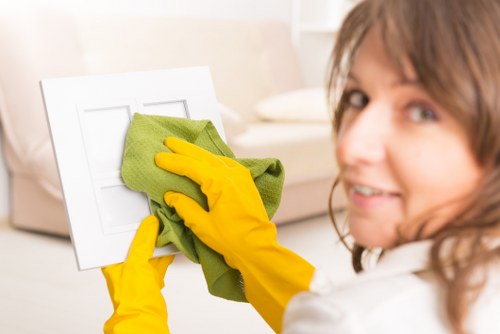 In addition, Lambeth Cleaner expects all tasks to be planned with practical safety measures in mind. This includes checking the space before starting, using warning signs when floors may be wet, and ensuring that cords, tools, and containers do not create unnecessary hazards. Safe practice should always take priority over speed.
Equipment, Chemicals, and Personal Protection
Cleaning equipment must be maintained in good condition and used only for its intended purpose. Faulty tools, unstable ladders, or poorly stored materials can create avoidable danger. Staff are expected to inspect equipment before use and remove any item that appears unsafe. Where specialist equipment is needed, only trained personnel should use it.
Cleaning products should be handled carefully and stored securely. Labels must be read before use, and products should never be mixed unless specifically approved. The safest approach is to follow manufacturer instructions closely and use the smallest effective amount. This helps reduce exposure, prevents damage to surfaces, and supports a healthier work environment.
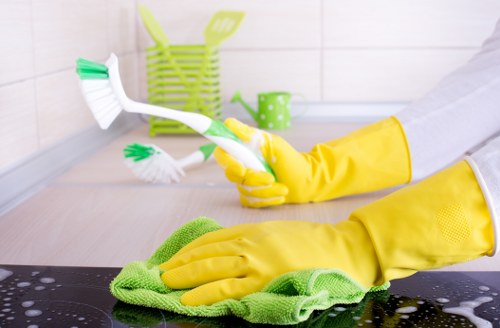
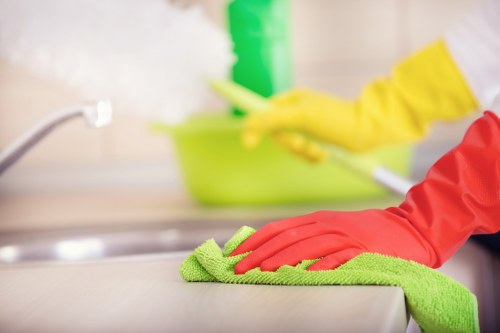
Personal protective equipment may include gloves, masks, aprons, or eye protection depending on the task. PPE is not a substitute for safe practice, but it provides an additional layer of defence when cleaning involves chemicals, dust, bodily fluids, or other risks. Lambeth Cleaner encourages staff to use protective items correctly and to replace them when worn or damaged.
Training, Incident Reporting, and Review
Training is essential for ensuring that safe standards are understood and applied consistently. Workers should receive practical instruction on handling products, avoiding strain, using equipment, and responding to hazards. Regular refreshers help maintain awareness and make sure procedures remain effective as services and environments change.
Any accident, near miss, or safety concern must be reported as soon as possible so that action can be taken. This includes slips, cuts, exposure incidents, broken equipment, and any situation where injury might have occurred. Recording and reviewing these matters helps identify patterns and reduce the likelihood of repeat problems. A strong reporting culture supports continuous improvement.
 This policy is reviewed periodically to make sure it remains practical and relevant. Updates may be made in response to new risks, changes in equipment, improved working methods, or lessons learned from incidents. By keeping the policy current, Lambeth Cleaner maintains a clear standard of care and accountability.
Working Safely in Different Environments
Cleaning work can take place in homes, offices, shared buildings, and other occupied spaces, each with its own risks. In domestic settings, special care may be needed around children, pets, stairs, and personal belongings. In business or communal settings, cleaners must remain alert to movement by others, shared access areas, and any site-specific procedures already in place.
Where work involves lifting, reaching, bending, or moving items, staff should use sensible manual handling techniques and avoid unnecessary strain. Heavy objects should not be lifted alone if assistance or equipment is available. Good posture, planning, and pace all contribute to safer, more sustainable working habits.
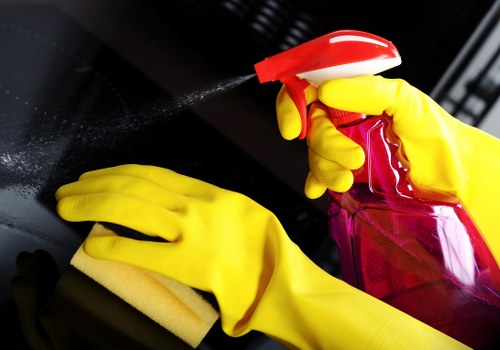 Emergency readiness is also part of this policy. Cleaners should know what to do if a spill, injury, fire alarm, or other urgent issue occurs during a job. Remaining calm, following instructions, and alerting the appropriate person quickly can prevent harm and limit disruption. Safety, professionalism, and responsibility remain the foundation of every service provided by Lambeth Cleaner.