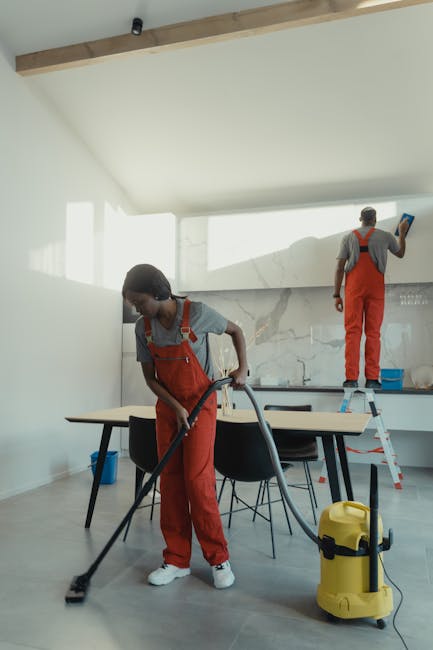
Insured and Licensed Cleaners in Lambeth: What to Ask Before You Book
If you are searching for insured and licensed cleaners in Lambeth what to ask, you are probably trying to avoid the usual headache: no-shows, vague pricing, poor results, or a cleaning team that looks professional on the phone but leaves you with more questions than answers. Fair enough. In Lambeth, where homes, flats, shared spaces and busy offices all have different needs, the right questions can save you time, money and a fair bit of stress.
This guide walks you through the questions worth asking, why they matter, and how to spot a trustworthy cleaning company before you commit. You will also get a practical checklist, a comparison table, and a realistic view of what good cleaning service standards should look like in everyday London life.
Let's face it, most people only ask about price first. But the better move is to ask about insurance, licensing, training, what is included, and how the company handles problems if something goes wrong. That is where real peace of mind starts.
Why Insured and Licensed Cleaners in Lambeth What to Ask Matters
Hiring a cleaner sounds simple until you think through what can actually happen on the job. A spill on a hardwood floor, a scratched appliance, a broken shelf, a missed key handover, or a cleaner arriving without the right equipment can turn a routine booking into a messy day. That is why asking the right questions is not just admin. It is risk management, plain and simple.
In Lambeth, many properties are compact, shared, or accessed through managed buildings with particular entry rules. Some jobs are straightforward domestic cleans. Others involve end of tenancy turnover, deep cleaning after renovation, or regular office cleaning where the cleaning team may be working around staff, customers, or sensitive materials. The questions you ask should match the job, not just the postcode.
Insurance is part of that picture. If a company is properly insured, it shows they are prepared for accidents and take responsibility seriously. Licensing can mean different things depending on the service and the equipment used, so the real question is not just whether they use the word. It is whether they can explain their credentials clearly and without bluster. If someone is vague, that is worth noticing.
To be fair, most good cleaners will answer these questions calmly because they are used to it. They know trust is earned. You are not being difficult by asking. You are being sensible.
How Insured and Licensed Cleaners in Lambeth What to Ask Works
The process works best when you treat the first conversation like a short screening call. You are not trying to interrogate anyone. You are trying to understand how they operate, what they cover, and whether their service fits your space.
Start with the basics: what type of cleaning do they offer, who will do the work, and whether they bring their own equipment and products. Then move into the practical bits. Ask about insurance cover, staff vetting, training, cancellation policy, and whether there are any exclusions. A company that gives clear answers usually has a clearer service behind the scenes too.
Then, if the job is more specialised, ask follow-up questions. For example, end of tenancy cleaning often needs a room-by-room checklist. Deep cleaning may involve descaling, skirting boards, switches, and hidden corners that are easy to miss. Office cleaning may need out-of-hours access and security awareness. The right questions depend on the service, and the best cleaners will not mind that.
A quick example: if you are booking a flat clean near Brixton or Kennington after tenants leave, you might ask whether they clean inside cupboards, whether ovens are included, and whether they can provide proof of insurance before the date of service. Simple enough, but these details make a huge difference on the day.
Key Benefits and Practical Advantages
When you ask the right questions up front, you get more than confidence. You get a cleaner service, fewer surprises, and a much better chance of the work being done properly first time.
- Less risk: Clear insurance details help protect you if accidental damage occurs.
- Better value: You are less likely to pay for things that were never included in the first place.
- Cleaner expectations: Everyone knows what will be done, what will not, and how long it should take.
- Better scheduling: You can check whether the team can work around your day, keys, access codes, or building rules.
- Stronger trust: Professional answers are often a good sign that the company is organised and accountable.
There is also a quieter benefit that people often overlook: peace of mind. You stop second-guessing every detail. That matters when you are already busy, or when you are trying to prepare a home for sale, move-out, or a Monday morning office opening.
Expert summary: The best cleaning company is not always the cheapest or the flashiest. It is the one that answers your questions clearly, proves its cover, explains its scope, and sticks to the plan. In practice, that usually saves money anyway.
Who This Is For and When It Makes Sense
This guide is for anyone booking cleaning services in Lambeth and wanting a sensible, low-drama decision. That includes homeowners, tenants, landlords, estate agents, small business owners, and facilities managers. It also helps if you are booking a one-off clean for the first time and do not quite know what to ask.
It makes particular sense when the job has any of these features:
- You are letting someone into a property when you will not be there.
- The clean involves valuable fixtures, furniture, or specialist surfaces.
- You need proof of insurance for your own records or building management.
- The work is time-sensitive, such as before a move, sale, inspection, or event.
- You have had problems before with vague pricing or patchy results.
If you are just booking a quick domestic tidy, you may not need the full checklist every single time. But even then, a few pointed questions can prevent an awkward surprise. Truth be told, the cheapest call can become the most expensive one if the job goes wrong.
Step-by-Step Guidance
1. Confirm what kind of cleaner you actually need
Start by matching the job to the service. A domestic cleaner is not always the same as a deep cleaning specialist. A carpet cleaner is not the same as an after builders team. If your property has a specific issue, say so early. That saves everyone time.
2. Ask whether they are insured and what the cover includes
Do not stop at "yes, we're insured." Ask what type of insurance they hold and what it is meant to cover. You are looking for confidence and clarity, not a rehearsed answer. If they cannot explain it in normal English, that is a yellow flag.
3. Ask about licensing or professional credentials
Different cleaning services may involve different qualifications, memberships, or internal standards. Not every cleaner needs a formal licence in the same way, but a legitimate business should still be able to explain how they operate, who is responsible, and what standards they follow. Ask what training staff receive and whether the team is employed or subcontracted.
4. Check exactly what is included
One of the most common problems is assumption. You think the oven is included. They thought it was extra. You assume windows are inside and out. They only price internal glass. Ask for a written list of inclusions. If the job is a deep clean or end of tenancy clean, ask for room-by-room detail.
5. Clarify pricing and extra charges
Find out whether the quote is fixed or estimated, and what might change it. Stairs, heavy limescale, pet hair, additional rooms, parking, out-of-hours access, or last-minute changes can all affect the final cost. A good company will tell you this before the booking, not after.
6. Ask who will attend your property
Will it be the same person every time, or a team? Are they vetted? Are they experienced with the type of clean you need? This matters more than people think, especially in flats, offices, or shared homes where access and trust are part of the job.
7. Confirm timing, access, and what happens if there is a delay
Ask how long the service should take, who to contact if the cleaner is running late, and whether they offer updates. In London, transport delays happen. We all know that. Good communication turns a minor delay into a manageable one.
8. Get the cancellation and complaints process in writing
Even a well-run company should be able to explain what happens if you need to reschedule or if something is not right after the clean. If they have a complaints procedure, read it. It tells you a lot about how they handle pressure when things are not perfect.
Expert Tips for Better Results
Here is the part that people often skip, but it makes a real difference. A better cleaning outcome usually starts before the cleaner arrives.
- Walk the property first: Make a quick note of problem areas, delicate items, and anything that needs extra attention.
- Take a few photos: This is especially useful for end of tenancy or pre-sale cleans. Not because you expect trouble, but because it keeps everyone honest.
- Be specific about priorities: If the bathroom matters more than the spare room, say so.
- Ask for a realistic finish time: A rushed clean is often an average clean. Sometimes worse.
- Check the supplies question: Some companies bring everything. Others expect access to water, electricity, or certain consumables. Ask early.
A small but helpful tip: if you live in a busy block, warn the cleaner about parking restrictions, concierge access, or lift restrictions. It sounds minor. It is not. A cleaner hauling gear up three flights because nobody mentioned the lift situation is already starting the day on the back foot.
If you want broader context on how trustworthy companies present themselves, it can help to look at pages such as the insurance and safety information, the health and safety policy, and the company's about us page. Those pages often reveal more than a polished sales pitch ever will.
Common Mistakes to Avoid
Most bad experiences with cleaners start with avoidable assumptions. Not dramatic stuff. Just small gaps that become annoying later.
- Not asking about insurance at all: This is the big one. If damage happens, you want to know where you stand.
- Assuming "licensed" means the same thing in every case: Ask what the term means in their business, not what you think it means.
- Ignoring exclusions: Some services will not cover upholstery stains, limescale build-up, or high-level access without advance notice.
- Choosing on price alone: Cheap can be fine, but cheap without clarity is where the trouble starts.
- Skipping the written quote: A verbal agreement is better than nothing, but written detail is far safer.
- Forgetting access details: Key collection, entry codes, alarms, and concierge rules can trip up even a reliable team.
There is also a softer mistake: not speaking up when you notice a mismatch. If the booking note says one thing and the quote says another, ask about it before the day arrives. It is much easier to sort out then than after the team has already left with the kettle still greasy and the bathroom mirror half-done. Not ideal, clearly.
Tools, Resources and Recommendations
You do not need fancy software to choose a cleaning company well. A simple note-taking app, your email inbox, and a camera on your phone are usually enough. Still, a few practical tools help.
- Booking checklist: Use a short list of rooms, surfaces, and extras to compare quotes fairly.
- Photo log: Take before-and-after photos for your own records, especially for tenancy or property sale situations.
- Written summary of questions: Keep all answers in one place so you can compare providers without relying on memory.
- Building access notes: Jot down parking, entry instructions, and any time restrictions.
For more detail on how a company handles quotes, terms, and service expectations, you can also review the pricing and quotes page and the terms and conditions page. If payment matters to you, the payment and security page is worth a look too.
And if you are comparing service types, useful pages include domestic cleaning, deep cleaning, end of tenancy cleaning, and office cleaning. Different jobs, different standards. Obvious, maybe, but easy to forget in the rush.
Law, Compliance, Standards, or Best Practice
When you book a cleaner in the UK, the practical side of compliance matters even if the legal language feels a bit dry. You are not usually hiring someone to give legal advice, but you are entitled to expect a business that operates safely, handles data responsibly, and manages risk properly.
Best practice usually includes:
- appropriate public liability insurance
- clear terms and conditions
- health and safety procedures for staff and customers
- transparent pricing or clear quotation terms
- proper handling of keys, codes, and access information
- good complaint handling
Depending on the service, there may also be waste disposal considerations, site rules, or building management requirements. For example, after builders work or property clear-outs, waste handling can matter more than it does for a routine home clean. If you want a better sense of how a company thinks about this, the recycling and sustainability page and the complaints procedure page are both useful signals of how they operate.
Good businesses are usually happy to explain their policies in plain English. If they hide behind vague wording, that is worth a pause. A very short pause, maybe, but still a pause.
Options, Methods, or Comparison Table
If you are comparing cleaning providers, it helps to separate the main options by how much reassurance and structure they offer. Here is a simple way to think about it.
| Option | Best for | What to ask | Watch out for |
|---|---|---|---|
| Independent cleaner | Simple domestic cleans or flexible arrangements | Insurance, availability, what is included, who supplies products | Unclear cover, informal pricing, limited backup if they are unavailable |
| Cleaning company | Regular bookings, larger properties, or specialist jobs | Staff vetting, written quote, complaint process, service scope | Extras added later if inclusions are not clear |
| Specialist service | Carpets, ovens, builders' residue, upholstery, or end of tenancy cleans | Experience with the task, equipment, drying times, damage cover | Assuming general cleaning methods will work on specialist surfaces |
If you need a more comprehensive service, a company page like cleaning company or a broad service overview such as cleaners can help you see how the business positions itself. For many readers, though, the most important decision is not the category. It is whether the provider communicates clearly and backs up its promises.
Case Study or Real-World Example
Here is a realistic example, based on the kind of booking people make every week in Lambeth.
A landlord had a two-bed flat near Stockwell that needed a deep clean before new tenants moved in. The first quote sounded fine, but it only mentioned "general cleaning." No detail. No note about inside cupboards, oven cleaning, or limescale removal. The landlord asked three follow-up questions: was the cleaner insured, what exactly was included, and whether the windows and appliance fronts were covered. The company answered clearly and sent a revised checklist.
That changed the whole picture. The job took a little longer than expected because the bathroom needed extra attention, but there were no surprises on the bill and no awkward post-clean discussion. The flat looked and smelled fresh, with that clean, neutral scent you notice when a place has actually been given proper attention rather than a quick wipe-over.
The key lesson? The questions did not slow the process down. They improved it. A little effort at the start saved the usual end-of-job wrangling, which everyone prefers to avoid.
Practical Checklist
Use this checklist before you confirm a cleaner in Lambeth:
- Have I asked whether they are insured?
- Have I asked what the insurance covers?
- Have I asked what "licensed" means in their case?
- Do I know exactly what the quote includes?
- Have I asked about extra charges or exclusions?
- Do I know who will attend the property?
- Have I checked whether products and equipment are included?
- Have I confirmed access details, keys, or entry instructions?
- Do I have the cancellation and complaints process?
- Have I got the quote or scope in writing?
- Have I compared at least two options fairly?
- Do I feel confident the company can handle my specific type of clean?
If you can answer yes to most of those, you are in a much stronger position. If not, ask again. Simple as that.
Conclusion
Choosing insured and licensed cleaners in Lambeth is not just about finding someone available on the right day. It is about asking the questions that reveal how the business really works. Insurance, scope, pricing, staff standards, complaint handling, and access arrangements all matter. A good cleaner will not make you feel awkward for asking. They will usually respect it.
The goal is not perfection. It is confidence. Enough clarity to know what you are paying for, what protection you have, and what kind of result to expect. That is the sweet spot, really. Once you find a cleaner who answers clearly and delivers consistently, the whole thing becomes much easier.
If you are ready to compare your options, start by checking the service details, the policies, and the quote information carefully. A few smart questions now can save a lot of bother later.
Get a free quote today and see how much you can save.
Frequently Asked Questions
What should I ask first when hiring insured and licensed cleaners in Lambeth?
Start with insurance, exactly what the service includes, and whether the cleaner or company can explain their licensing or professional credentials clearly. Those three answers usually tell you a lot very quickly.
Do all cleaners need a licence in the UK?
Not every cleaning service requires the same kind of formal licence, so it is better to ask what qualifications, registrations, or internal standards the business follows. If a company uses the word "licensed," ask them to explain it in plain terms.
Why does insurance matter so much?
Insurance matters because accidents can happen, even with careful people. If something gets damaged, you want a business that is prepared to deal with that responsibly rather than leaving you to chase after them.
What if the quote seems very cheap?
A cheap quote is not automatically bad, but you should check what is missing. Very low prices sometimes mean exclusions, reduced time on site, or extra charges later. Ask what is included before comparing prices.
Should I ask for proof of insurance?
Yes, that is sensible. A professional company should be able to provide evidence or at least explain the cover it carries without hesitation.
What questions matter most for end of tenancy cleaning?
Ask about room-by-room inclusions, ovens, inside cupboards, limescale, skirting boards, and whether the service is designed to support inventory expectations. Details matter a lot with tenancy moves.
How do I know if a cleaner is trustworthy?
Look for clear answers, written terms, consistent communication, and a complaints process. Trustworthiness usually shows up in the small things before it shows up in the clean itself.
Should I ask who will actually do the work?
Yes. It helps to know whether it will be one person or a team, and whether they are employed, vetted, or subcontracted. That matters for access, reliability, and accountability.
What if I need cleaning in a flat with difficult access?
Tell the company early about stairs, lifts, parking, entry codes, or concierge rules. Access details may seem minor, but they can seriously affect timing and the smoothness of the visit.
Can I ask for everything in writing?
Absolutely. In fact, you should. A written quote or service summary reduces misunderstandings and gives you something to refer back to if needed.
What should I do if I am not happy after the clean?
Contact the company promptly and follow their complaints procedure. Good businesses usually want the chance to fix problems. That is one reason their policy pages matter more than people expect.
How many cleaners should I compare before booking?
Two or three is usually enough to get a fair sense of pricing, professionalism, and clarity. You do not need to overcomplicate it, but one quote alone is often not enough to judge value properly.