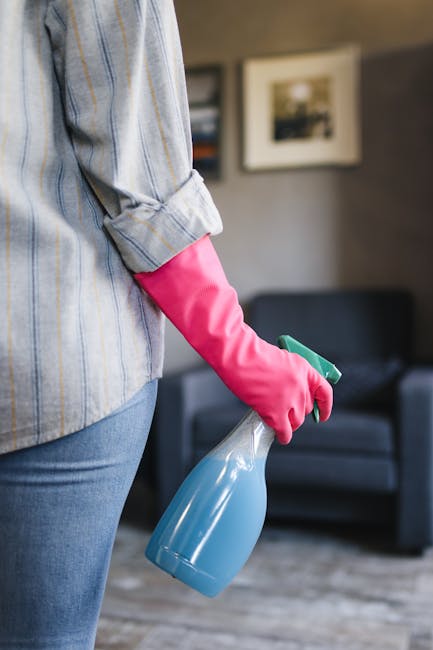
Real case study Lambeth house deep clean before sale
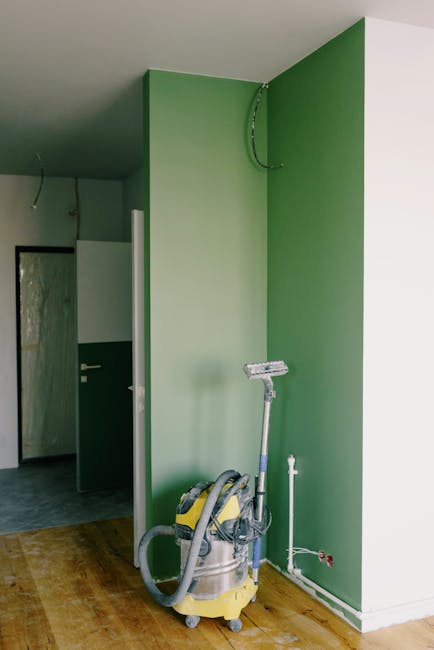
If you are getting a Lambeth property ready for viewings, you already know the pressure is a bit different from a normal tidy-up. A quick surface clean might make the place look acceptable, but a real case study Lambeth house deep clean before sale goes further: it resets the whole home so buyers walk in and notice light, space, and care rather than grime, odours, and distractions. That difference matters. A lot.
In this article, we break down how a pre-sale deep clean typically works in a real London home, what usually gets missed, where the value shows up, and how to decide whether to do it yourself or bring in professionals. You will also get a practical checklist, a comparison of cleaning approaches, and a realistic case-style walkthrough you can actually use. Let's face it, selling a home is stressful enough without wondering whether the oven, skirting boards, or bathroom grout are quietly putting buyers off.
Why Real case study Lambeth house deep clean before sale Matters
When a home goes on the market, buyers are not only assessing layout and location. They are also making snap judgments about maintenance. A stale smell in the hallway, grease on kitchen cabinets, limescale around taps, dusty vents, or a tired patch of carpet can all create the wrong story. People rarely say, "I dislike the cleaning." They say things like "It feels a bit neglected." That's the real risk.
In Lambeth, where many homes are lived in hard and shown quickly, deep cleaning before sale is often one of the simplest ways to improve first impressions. It is especially useful if the home has been occupied for years, has pets, has been rented out, or simply never had a proper top-to-bottom clean. A basic tidy helps, but a proper deep clean changes how the property feels.
There is also a practical side. Viewers notice the details they can see and smell immediately: bins, bathroom seals, kitchen splashback, carpet fibres, windows, and the edges of rooms. If those are fresh, the whole home reads better. If not, buyers often assume other unseen maintenance issues may be lurking too. Fair or not, that is how people think.
For sellers comparing options, it can help to look at a broader deep cleaning service alongside targeted work such as window cleaning or carpet cleaning. The best result usually comes from the full picture, not one shiny surface in an otherwise dull room.
How Real case study Lambeth house deep clean before sale Works
A pre-sale deep clean is not just "clean everything." It is a structured process that prioritises visible impact, hygiene, and presentation. The goal is to remove the small defects that distract buyers and make the home feel cared for from the moment they walk in.
In practice, the clean usually starts with a walkthrough. That lets you spot the biggest problem areas first: kitchen build-up, bathroom scale, interior glass, carpets, skirting, door frames, and dust in awkward corners. Then the work moves room by room so nothing gets missed. The cleaners work from top to bottom, dry dusting before wet cleaning, and leaving floors until the end so debris does not get dragged around. Simple, but effective.
For a house preparing for sale, the process often combines several tasks:
- Kitchen degreasing and appliance detailing
- Bathroom sanitising and limescale removal
- Dust removal from skirting boards, sockets, and fittings
- Interior window and frame cleaning
- Carpet or rug freshening where needed
- Spot treatment of upholstery or sofas
- Floor washing or hard floor deep cleaning
- Odour reduction through thorough source cleaning, not masking sprays
A lot of people think the process is about making everything smell "clean." That is part of it, but the more important part is removing the source of dirt and grease. Otherwise the effect fades fast. By the time the estate agent arrives the next day, the home can already feel tired again.
Some homes need a full one-off reset rather than a lighter touch. In those cases, a one-off cleaning visit can be a sensible middle ground, especially if the property is already largely tidy and just needs a strong presentation push before photos or viewings.
Key Benefits and Practical Advantages
The clearest benefit is visual. A deep-cleaned house simply photographs better. Natural light looks brighter through clean glass. Kitchen surfaces reflect more evenly. Bathrooms appear less worn. Even small rooms can feel calmer and more spacious when dust and clutter are gone.
There is also a trust benefit. Buyers often read cleanliness as care. If the home is clean down to the details, they tend to assume the seller has looked after other parts of the property too. That does not guarantee an offer, of course, but it improves perception in a way that is hard to fake.
Here are the practical advantages sellers usually notice:
- Better first impressions during viewings and photography
- Less distraction from minor wear and everyday living marks
- Improved sense of space, especially in smaller Lambeth homes
- Reduced odours from kitchens, bins, carpets, and soft furnishings
- Faster preparation for last-minute appointments
- Less buyer anxiety about hidden upkeep issues
There is a quieter benefit too. When the home is properly cleaned before sale, the seller often feels more in control. That sounds small, but it matters. The process becomes less chaotic. You stop endlessly spotting dusty corners and start seeing the home as ready. Which, to be fair, is half the battle.
If the property has carpets, rugs, or upholstered furniture that still need attention, combining rug cleaning or sofa cleaning with the main deep clean can make the living areas feel properly refreshed rather than just "surface tidy."
Who This Is For and When It Makes Sense
This kind of clean is useful for a wide range of sellers, but it is especially valuable in a few common situations. If any of these sound familiar, you are probably in the right territory.
- Family homes being sold after years of normal use
- Rental properties where wear and residue have built up
- Homes with pets where odours and fur need attention
- Properties with older kitchens or bathrooms that need more than a quick wipe
- Homes that have been empty for a while and feel stale or dusty
- Sellers preparing for professional photos or multiple viewings in one week
It also makes sense when time is short. If the chain is moving quickly or the listing has gone live before the property was quite ready, a focused deep clean can pull things together fast. Not magically, mind you. But enough to avoid losing momentum.
Some owners prefer to do the lot themselves, and that can work if the place is already in decent shape. But if the house needs oven cleaning, interior glass, bathroom detail, and floor treatment all at once, getting help from experienced cleaners can save a lot of energy and make the finish more even.
For larger move-out jobs, especially where belongings are being removed in stages, it can also be worth considering whether a house clearance step is needed before the deep clean begins. Cleaning around clutter is never the easiest route, let's put it that way.
Step-by-Step Guidance
Here is a practical way to approach a deep clean before sale without overcomplicating it. The order matters more than people think.
- Clear the property first. Remove obvious clutter, unwanted items, and anything blocking surfaces or floors. Cleaning around boxes just makes the job slower.
- Open up the space. Curtains back, windows open where possible, and furniture pulled away from walls if safe to do so. This helps with dusting and drying.
- Work from top to bottom. Start with light fittings, shelves, ledges, and frames before touching floors.
- Focus on the kitchen. Degrease hob areas, wipe cabinet fronts, clean handles, disinfect sinks, and sort the oven. Buyers notice kitchens instantly.
- Reset bathrooms. Remove limescale, clean seals, polish taps, scrub tiles, and make toilets, basins, and mirrors feel spotless.
- Tackle floors and soft furnishings. Vacuum thoroughly, then steam, shampoo, or wipe floors as needed. Address carpet marks or sofa stains that catch the eye.
- Finish with glass and final detail. Clean internal windows, mirrors, switches, door handles, skirting, and any final fingerprints.
- Do a slow final walkthrough. Stand at the front door and look through each room. If something jumps out to your eye, it will likely jump out to a buyer too.
That final check is worth slowing down for. There is always one thing. A smear on the patio door, a dusty top shelf, or a bathroom corner you somehow missed at 9:10 in the morning. Human nature, really.
If the oven is especially greasy, a specialist oven cleaning service can be a smart add-on because it removes one of the biggest visual and smell issues in a selling kitchen. Nobody likes peering into a burnt, smoky oven and trying to imagine dinner in there.
Expert Tips for Better Results
Experience teaches you that small things have outsized impact. A room does not need to be perfect to feel appealing; it needs to feel fresh, orderly, and well cared for. That is the sweet spot.
Here are a few tips that often make the biggest difference:
- Prioritise smell before shine. If the kitchen or hallway smells stale, fix that first by cleaning the source, not masking it.
- Use the right cloth for the right surface. Microfibre is great for dust and polish, but abrasive pads can damage delicate finishes.
- Don't ignore edges. Buyers notice corners, skirtings, and behind taps more than sellers expect.
- Clean natural light routes. Windows, sills, and glass doors matter because light is doing half the selling.
- Make bathrooms look dry and crisp. Wet surfaces read as unfinished, even if they are clean.
- Treat carpets and upholstery as part of the presentation. They are large visual surfaces, not background detail.
One more thing: if the home has hard floors, a proper finish can make a surprising difference. A dull kitchen floor can drag down the whole room, while a well-cleaned surface feels brighter instantly. For that, hard floor cleaning is often worth a look alongside the rest of the deep clean.
And if the property has a lot of glass, don't underestimate clean windows. They change the feel of the room at once. Not glamorous, but effective. Very effective.
Common Mistakes to Avoid
Pre-sale cleaning mistakes are usually not dramatic. They are small and annoying, which is exactly why they keep happening. Here are the big ones.
- Cleaning only what is visible at standing height. Buyers crouch, lean, and look around. They notice more than you think.
- Using too much fragrance. Strong air fresheners can make a home feel like it is hiding something.
- Leaving the oven or extractor until last. Grease spreads. So does the smell.
- Forgetting glass, frames, and tracks. Clean glass with dirty frames still reads as unfinished.
- Trying to deep clean while moving boxes. It slows everything down and creates more mess.
- Skipping the final inspection. This is where the sneaky details are caught.
There is also the emotional mistake: assuming a home that has been lived in for years can be turned around in one frantic afternoon. Sometimes it can't. And that is fine. Break the work into zones, or get a professional team in for the heavy lifting. No shame in that at all.
If upholstered furniture has years of build-up, a dedicated upholstery cleaning service can prevent a room from feeling dull even when the rest of it is tidy. Sofas are often the quiet culprit.
Tools, Resources and Recommendations
You do not need a van full of gadgets, but the right tools make the job cleaner and less frustrating. A sensible pre-sale kit usually includes:
- Microfibre cloths in a few separate colours for different rooms
- A vacuum with attachments for edges, upholstery, and upholstery seams
- Non-abrasive bathroom cleaner and limescale remover
- Degreaser for kitchen surfaces and cabinet fronts
- Glass cleaner or a streak-free window solution
- Bucket, mop, and separate cloths for floors
- Protective gloves and a simple mask if dust is heavy
For homes where the front windows or balcony glass affect curb appeal, the right outside-facing finish can matter more than people expect. A property may be stunning inside, but if the windows are smeared or the exterior looks neglected, the first impression is still off. That is why services like window cleaning or even facade cleaning can support the overall sale presentation where appropriate.
If you are comparing companies, look at practical fit rather than just the headline price. Ask what is included, whether they handle kitchens, ovens, carpets, and bathrooms, and whether they offer a proper checklist. You may also want to review pricing and quotes information so you understand what influences the cost before booking.
For buyers and sellers who value trust signals, it is sensible to check a company's approach to insurance and safety and its health and safety policy. Those pages are not flashy, but they tell you a lot about how seriously the provider takes the job.
Law, Compliance, Standards, and Best Practice
For a normal house sale, there is not a special "deep clean law" you must satisfy, and it would be misleading to pretend otherwise. What matters in real life is best practice, landlord or agent expectations where relevant, and ordinary care around cleaning chemicals, equipment, and access.
If you are hiring cleaners, a few sensible standards should be in place:
- Clear scope of work so you know what is and is not included
- Safe use of products on surfaces, fabrics, and floor types
- Reasonable protection of fixtures and fittings during work
- Proper insurance for peace of mind if something goes wrong
- Transparent payment terms and expectations before booking
If the property is being cleared at the same time, waste handling should be sensible and lawful. In practice that means not dumping unwanted items where they should not go, and using a responsible route for disposal or recycling. A company with a genuine recycling and sustainability approach is usually a better fit for this kind of job, especially when the clean is tied to a move or sale.
For your own protection, it also helps to understand the service terms before any booking is confirmed. That includes cancellation, access, scope changes, and payment timing. If anything is unclear, read the terms and conditions carefully. Boring? Yes. Useful? Very.
Options, Methods, and Comparison Table
Not every property needs the same depth of work. The right method depends on condition, timing, budget, and how ready the property already is.
| Approach | Best for | Strengths | Limitations |
|---|---|---|---|
| Basic tidy and surface clean | Homes already in good order | Quick, low cost, useful for maintenance | Often not enough for sale photos or viewings |
| DIY deep clean | Sellers with time and energy | Flexible and budget-friendly | Easy to miss detail, slow for larger homes |
| Professional one-off clean | Most pre-sale homes | Consistent finish, faster turnaround, better detail | Requires booking and a clear scope |
| Full pre-sale refresh with extras | Homes with carpets, ovens, upholstery, or stubborn build-up | Strongest presentation impact | Highest upfront cost, but often the best result |
In many Lambeth sales, the best choice is a mix: a core deep clean, plus one or two targeted extras such as oven, carpet, or window work. That gives a more polished result without paying for unnecessary add-ons. If you want that style of service, end of tenancy cleaning can also be relevant for homes being sold shortly after a tenant move-out, because the expectations are similar: detail, consistency, and a ready-to-view finish.
Case Study or Real-World Example
Here is a realistic case-style example based on the kind of pre-sale jobs often seen in Lambeth. It is not a fictional miracle makeover. Just a practical, ordinary home that needed a proper reset before marketing.
A mid-terrace house was being prepared for sale after years of family use. The property was structurally sound and well maintained, but everyday living had left its mark. The kitchen had light grease around the cooker hood and cabinet handles. The bathroom had limescale around taps and shower edges. The carpets looked flat in the hallway. Interior glass had fingerprints, and the house had a slightly stale feel despite being aired out.
The seller's priority was simple: make the home look cared for without starting a renovation. So the cleaning plan focused on the rooms that buyers would judge hardest:
- Kitchen degreasing and appliance attention
- Bathroom detail clean and limescale removal
- Window and glass cleaning to improve light
- Carpet refresh in hallway and living room
- Soft furnishing spot treatment
- Final detail on switches, frames, skirting, and doors
What changed? The home didn't become someone else's house. That is not the point. It became easier to read. Rooms looked brighter, smells were neutral rather than musty, and the overall impression was calmer. Buyers tend to respond well to that because they can picture their own things in the space without mentally adding a long cleaning list to the purchase price.
There was one small surprise, too. The cleanest-looking thing in the end was not the kitchen. It was the hallway carpet after treatment. Funny how one "minor" detail can end up carrying the whole first impression. Happens all the time.
In a similar home with heavier fabric wear, pairing the pre-sale clean with carpets cleaning or a focused carpet cleaner visit can make the entrance feel far fresher. That first step inside is doing a lot of work.
Practical Checklist
Use this checklist the day before photography or viewings. It is short enough to be realistic and detailed enough to help.
- Declutter worktops, shelves, and bathroom surfaces
- Empty bins and remove odours at the source
- Clean oven, hob, extractor, and sink
- Wipe cabinet fronts, handles, and light switches
- Scrub bathroom taps, tiles, grout, and seals
- Dust skirting boards, door frames, and sills
- Vacuum under furniture and along edges
- Refresh carpets, rugs, and sofas where needed
- Clean mirrors, internal glass, and windows
- Check for streaks, smears, and missed corners
- Air the property, but avoid overpowering fragrance
- Do one final walk-through in daylight if possible
If you have only one hour left, do the kitchen, bathroom, glass, and floors. Not ideal, but those are the areas buyers notice fastest. The rest can be decent; those four need to be strong.
Conclusion
A real case study Lambeth house deep clean before sale is really about presentation, confidence, and reducing friction for buyers. It is not about pretending a home is brand new. It is about making the property feel cared for, fresh, and easier to imagine living in. That is often enough to lift the whole viewing experience.
If you want the best result, think in layers: remove clutter first, clean the obvious touchpoints, then go deeper into kitchens, bathrooms, glass, floors, carpets, and upholstery. Do that well and the house usually speaks for itself. Quietly, cleanly, and without fuss.
Get a free quote today and see how much you can save.
And if you are still weighing it all up, that's fine. A good pre-sale clean is one of those jobs that pays back in calm as much as in presentation. Sometimes that calmer feeling is exactly what you need.
Frequently Asked Questions
What does a pre-sale deep clean usually include?
It usually includes kitchens, bathrooms, floors, skirting boards, windows, internal glass, doors, touchpoints, and sometimes carpets, sofas, or ovens if they need extra attention.
Is a deep clean before sale really worth it?
For many homes, yes. Buyers notice cleanliness very quickly, and a fresher property often feels more inviting, better cared for, and easier to imagine living in.
How is a pre-sale deep clean different from a normal clean?
A normal clean maintains the home. A pre-sale deep clean focuses on presentation and detail, especially in visible areas that affect first impressions.
Should I deep clean before estate agent photos?
Yes, if possible. Photos pick up dust, marks, and dull glass far more than people expect. A good clean can make rooms look brighter and more spacious.
What rooms matter most when selling a house?
Kitchens, bathrooms, hallways, living rooms, and any main bedroom spaces usually matter most because buyers form opinions there very quickly.
Can I do the deep clean myself?
Yes, if the property is already in decent condition and you have time. For larger homes, heavy build-up, or short deadlines, a professional clean is usually easier.
How long does a pre-sale deep clean take?
It depends on size, condition, and whether extras like carpet or oven cleaning are included. A small, tidy flat will take far less time than a busy family house.
Do I need carpet cleaning before sale?
Not always, but it often helps if carpets look flat, stained, or a bit tired. Fresh carpets can improve the feel of the whole property, especially in hallways and living areas.
What should I avoid before viewings?
Avoid heavy fragrance, damp surfaces, clutter on worktops, visible limescale, and obvious marks on glass or floors. Those things can distract buyers fast.
Is a deep clean useful for a vacant property?
Absolutely. Empty homes can show dust, stale air, and leftover marks even more clearly. A proper clean helps the place feel ready rather than forgotten.
Should I clean windows inside and out before sale?
Yes, where practical. Clean glass improves light, and light is one of the simplest ways to make a home feel more generous and welcoming.
What is the best time to book the clean?
Ideally after decluttering and before photography or final viewings. That way the clean lasts longer and the home looks its freshest when it matters most.
Do I need a professional company or just a one-off cleaner?
If the property needs a broad reset, a professional company can be easier because the work is coordinated and the result is more consistent. For smaller jobs, a one-off visit may be enough.
What if the home also needs clearance work?
If there are still items to remove, sorting that first helps a lot. Cleaning around furniture, bags, and boxes is slower and usually less effective. Get the space clear, then clean properly.
Where can I ask about booking and service details?
You can review the company information pages, including about us and contact us, if you want to understand the service setup before making a decision.